A Journey Carried Through Generations
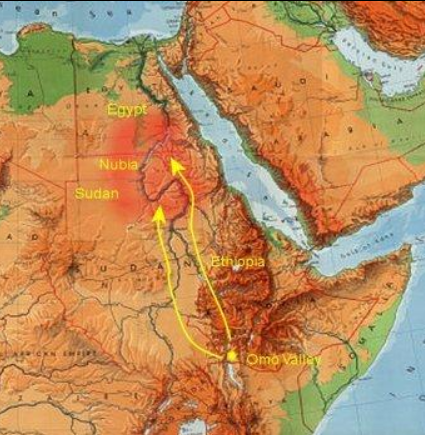
The Luo people are part of the larger Nilotic community whose roots can be traced back to the Nile Valley region in present-day South Sudan and Sudan. Over centuries, through migration and settlement, Luo-speaking groups journeyed southward along the Nile River and into East Africa in search of fertile land, water, and opportunity.
This migration was not a single movement, but a gradual journey shaped by climate, conflict, trade, and survival. Along the way, communities settled in different regions, forming distinct Luo groups spread across East and Central Africa. Today, Luo communities can be found in Kenya, Uganda, Tanzania, South Sudan, Ethiopia, the Democratic Republic of Congo, and beyond—each connected by shared ancestry, language roots, and cultural traditions.
In Kenya, the Luo eventually settled around the shores of Lake Victoria, where fishing, farming, and trade became central to daily life. The lake not only provided livelihood, but also shaped the social, spiritual, and cultural identity of the community. From the rhythms of fishing boats at dawn to evening storytelling gatherings, life developed around strong communal values and deep connection to nature.
A Culture Rooted in Community
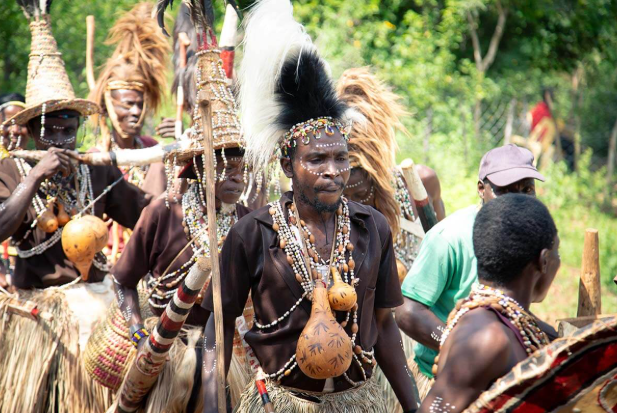
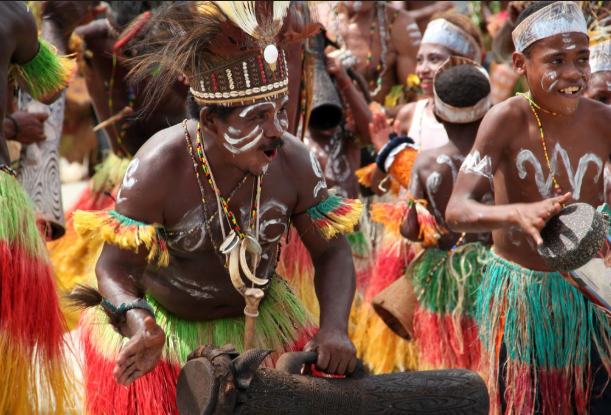
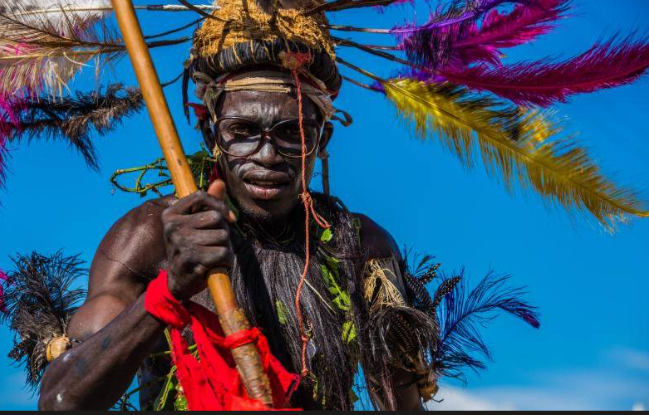
Luo culture is built upon family, respect, unity, and oral tradition. Community life has always played a central role, with clans and lineage systems guiding identity, leadership, marriage, and social responsibility. Elders are highly respected as custodians of wisdom, history, and cultural values.
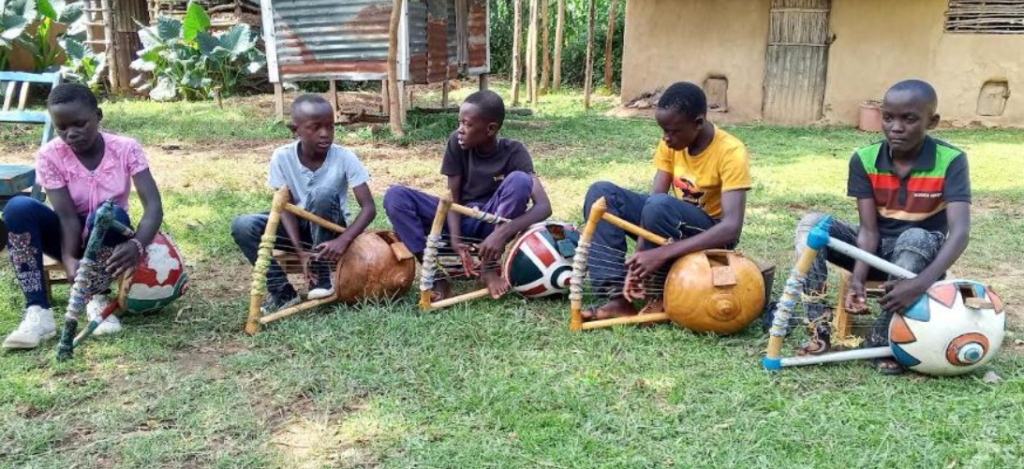
Music, storytelling, dance, and proverbs form an essential part of Luo identity. Through instruments like the nyatiti and oral literature passed down across generations, history and wisdom continue to live beyond written records.
Ceremonies marking birth, marriage, adulthood, and death remain important expressions of cultural continuity, reflecting values that have endured despite social and modern changes.
Language & Identity
Dholuo serves as one of the strongest links connecting Luo communities across borders. More than communication, it carries memory, identity, humor, wisdom, and worldview. Through language, generations remain connected to their roots and traditions.

The Luo Across Borders
Although spread across different countries and regions, Luo communities continue to share cultural similarities in language, music, naming traditions, leadership systems, and oral heritage. This widespread presence reflects both the historical migration of Nilotic peoples and the enduring resilience of Luo identity.
Today, Luo culture continues to evolve while remaining deeply connected to its origins. Across villages, cities, and the global diaspora, the Luo people continue to preserve and celebrate a heritage shaped by movement, resilience, and unity.
Why Preserving This Heritage Matters
Understanding Luo history is more than tracing migration routes it is understanding a people’s journey, resilience, and contribution to the cultural fabric of Africa. Preserving this heritage ensures that future generations remain connected to their identity, language, traditions, and ancestral roots.
The story of the Luo people is a story of movement, adaptation, survival, and pride. From the Nile Valley to the shores of Lake Victoria and beyond, Luo heritage continues to live through its people, language, traditions, and enduring spirit.