Where Culture is Lived Every Day
Food and daily life among the Luo people are deeply intertwined with the land, water, and community. Along the shores of Lake Victoria and across the region, everyday living reflects a rhythm shaped by nature, tradition, and shared responsibility.
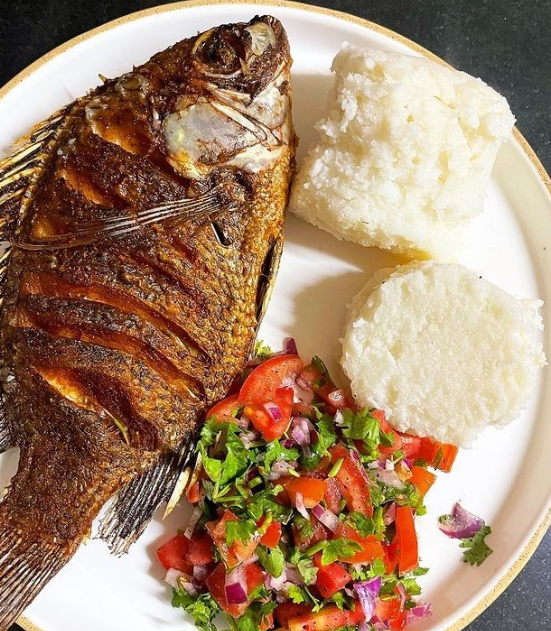
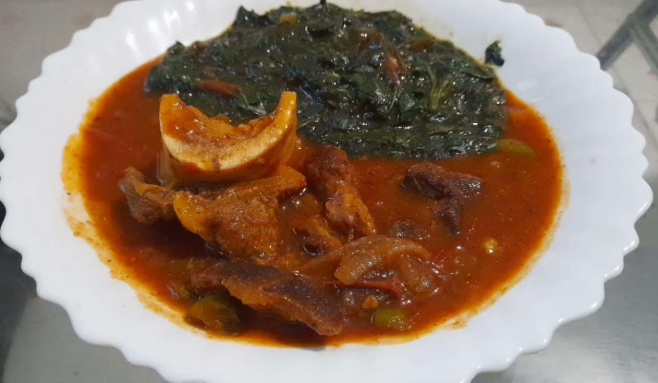
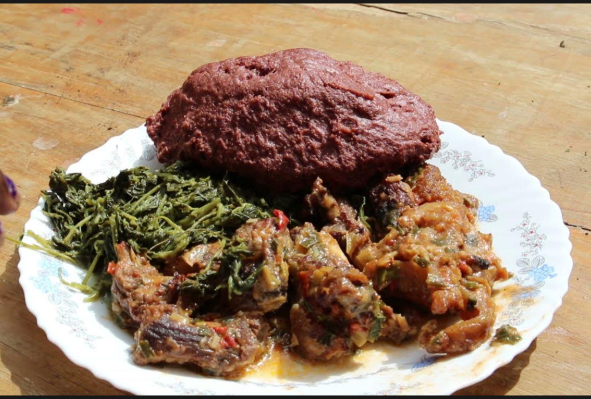
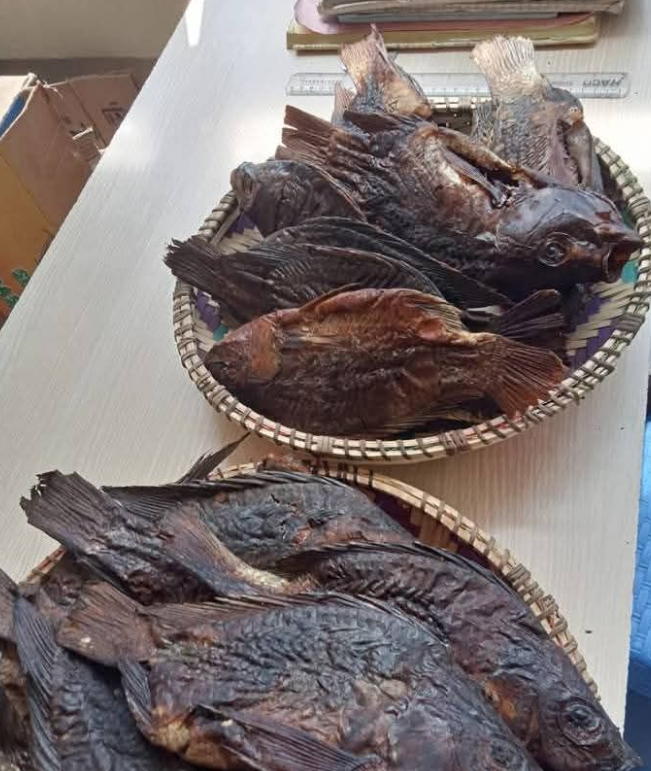
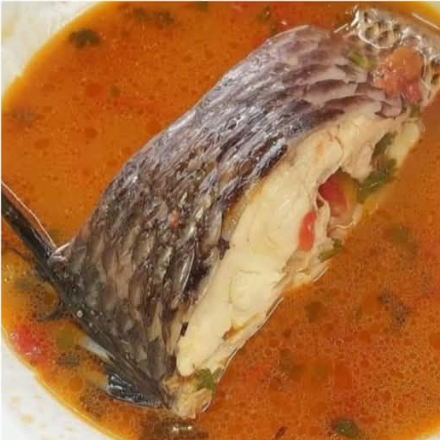
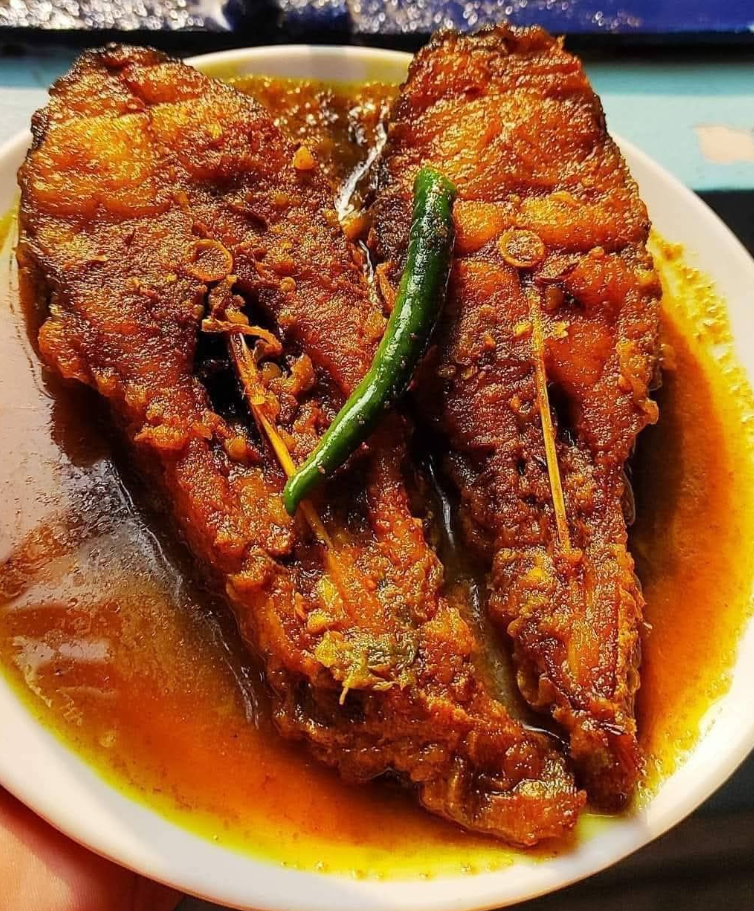
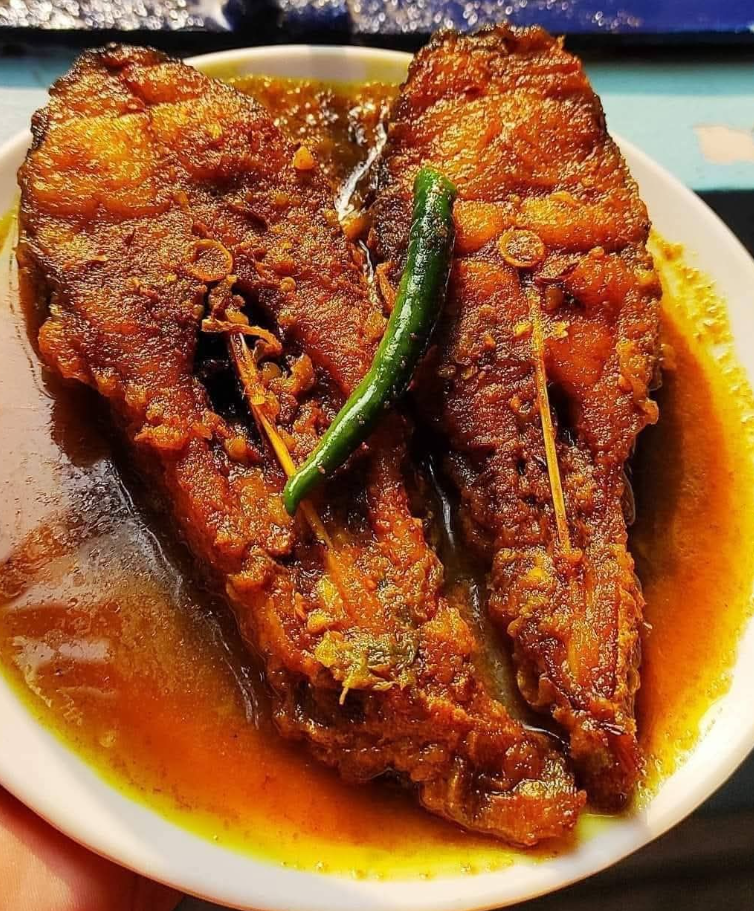
At the heart of Luo cuisine is simplicity enriched with meaning. Meals are often cantered around fish—freshly caught from Lake Victoria—paired with ugali, vegetables, and traditional greens. Foods like omena (small, dried fish) are not only a staple but a reflection of resourcefulness and connection to the environment. Preparation methods, from sun-drying to slow cooking, preserve both flavour and tradition.
But food is more than nourishment—it is a social experience. Cooking is often communal, and meals are shared among family members, reinforcing bonds and a sense of belonging. Visitors are welcomed with generosity, as hospitality is a deeply valued part of Luo culture.

Daily Life & Livelihood
Daily life in Luo communities is guided by roles, routines, and cooperation. Fishing, farming, and small-scale trade form the backbone of livelihoods. Early mornings may begin at the lake casting nets, while others tend to farms, markets, or households.
Homes are often organized in ways that reflect family structure and cultural values, with spaces designed for gathering, storytelling, and shared activities. Children learn through observation and participation—absorbing skills, respect, and traditions from elders and parents.

Community & Connection
Life is rarely lived in isolation. Community is central to Luo identity, and daily interactions—whether working, eating, or celebrating—are rooted in togetherness. Events such as communal meals, ceremonies, and gatherings strengthen relationships and pass on cultural knowledge.
Respect, especially for elders, plays a key role in shaping behavior and maintaining harmony. Through everyday life, values such as cooperation, responsibility, and unity are continuously practiced and reinforced.
Cultural Meaning
Food and daily routines are not just habits—they are expressions of identity. They tell stories of survival, adaptation, and connection to the land and water. In preserving these practices, the Luo people maintain a living link to their heritage.
Reflection
To understand Luo culture is to understand how people live, eat, work, and relate to one another. In these everyday moments lies the true essence of heritage—simple, shared, and deeply rooted in tradition.