Where Stories Sing and Wisdom Lives
Music and oral literature have long been the heartbeat of Luo culture, serving as powerful tools for preserving history, passing down wisdom, and strengthening community identity. Before written records became common, stories, songs, proverbs, and poems carried the memory of the people—keeping traditions alive from one generation to the next.
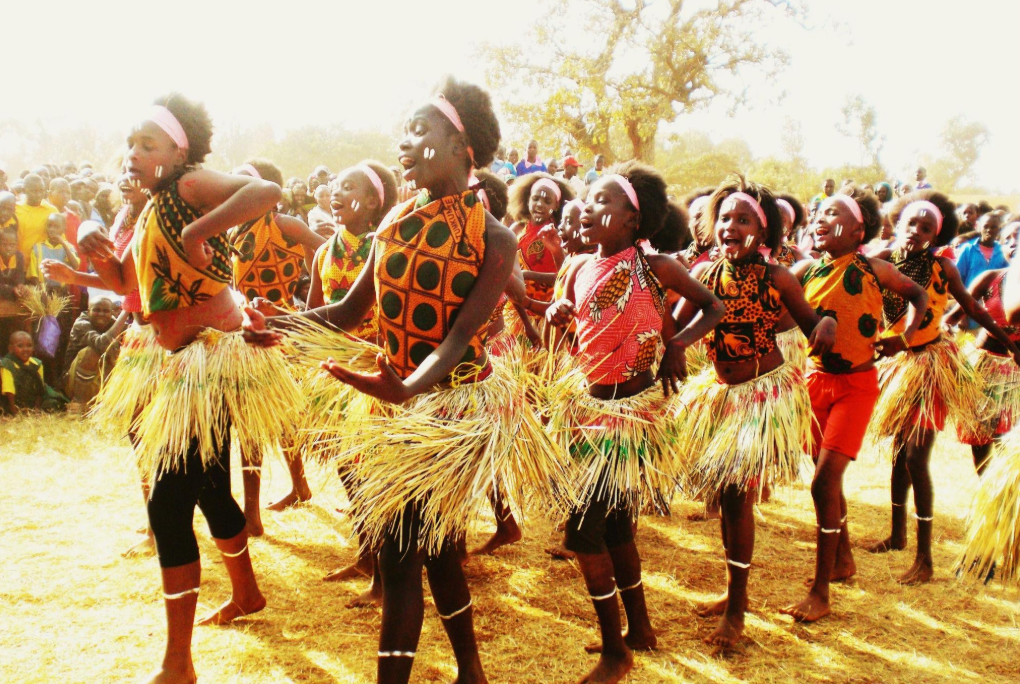
Among the Luo, music is more than entertainment; it is a form of communication, celebration, education, and spiritual expression. Songs accompany important moments in life, including birth, marriage, ceremonies, work, and mourning. Through rhythm and melody, emotions, experiences, and cultural values are shared collectively.
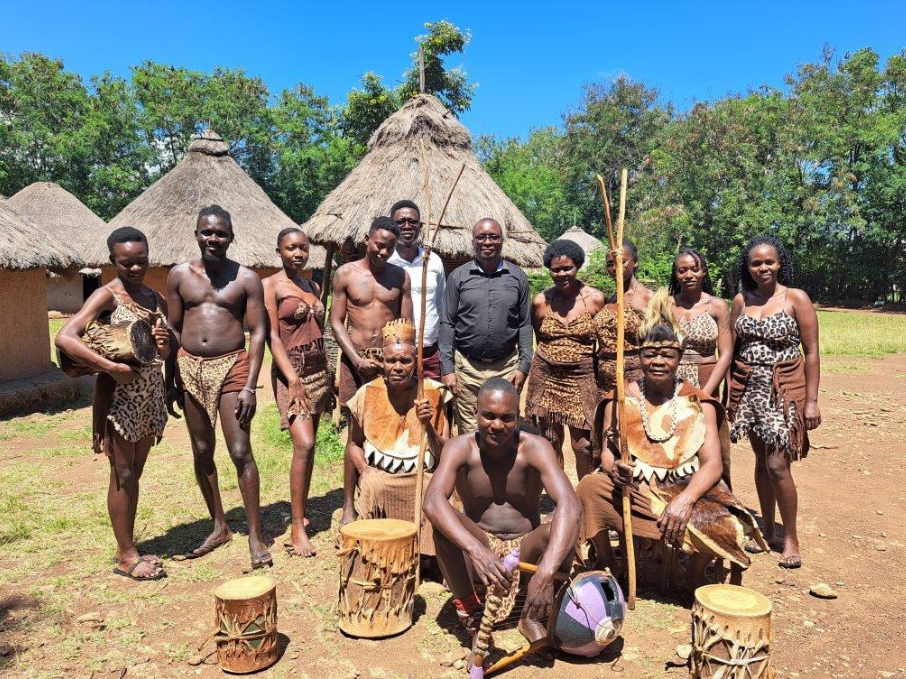
Traditional instruments such as the nyatiti, a stringed instrument deeply associated with Luo music, create distinctive sounds that reflect the soul of the community. Drums, percussion, and dance movements work together to create performances that are rich in storytelling and cultural meaning.
The Power of Oral Tradition
Oral literature remains one of the strongest foundations of Luo heritage. Elders traditionally gathered children and community members to share folktales, riddles, legends, and proverbs—often in the evenings after daily work. These stories entertained while also teaching discipline, courage, respect, wisdom, and community values.
Proverbs continue to hold deep significance within Luo society, offering guidance and insight drawn from generations of lived experience. Through storytelling, important lessons about life, leadership, relationships, and morality are preserved and passed on.
Music as Identity & Expression
Luo music has continued to evolve over time, blending traditional sounds with modern influences while still preserving its cultural roots. Genres such as Ohangla have gained recognition beyond the community, bringing Luo rhythms and storytelling to wider audiences across Africa and the world.
Musicians, poets, and storytellers remain important cultural ambassadors, using their art to celebrate identity, address social issues, and unite communities.
Preserving Cultural Memory
As modernization changes how people communicate and consume culture, preserving oral traditions has become increasingly important. Recording stories, songs, and performances ensures that ancestral knowledge and artistic expression are not lost.
By protecting music and oral literature, the Luo community preserves not only entertainment, but also history, identity, language, and collective memory.
Cultural Significance
Music and storytelling continue to connect generations, strengthen belonging, and remind the community of its roots. Through every song, proverb, and story shared, Luo heritage continues to live, breathe, and inspire.
To listen to Luo music or hear a traditional story is to experience the voice of a people—their struggles, joys, wisdom, and spirit carried through rhythm, language, and memory across generations.